Ningbo University
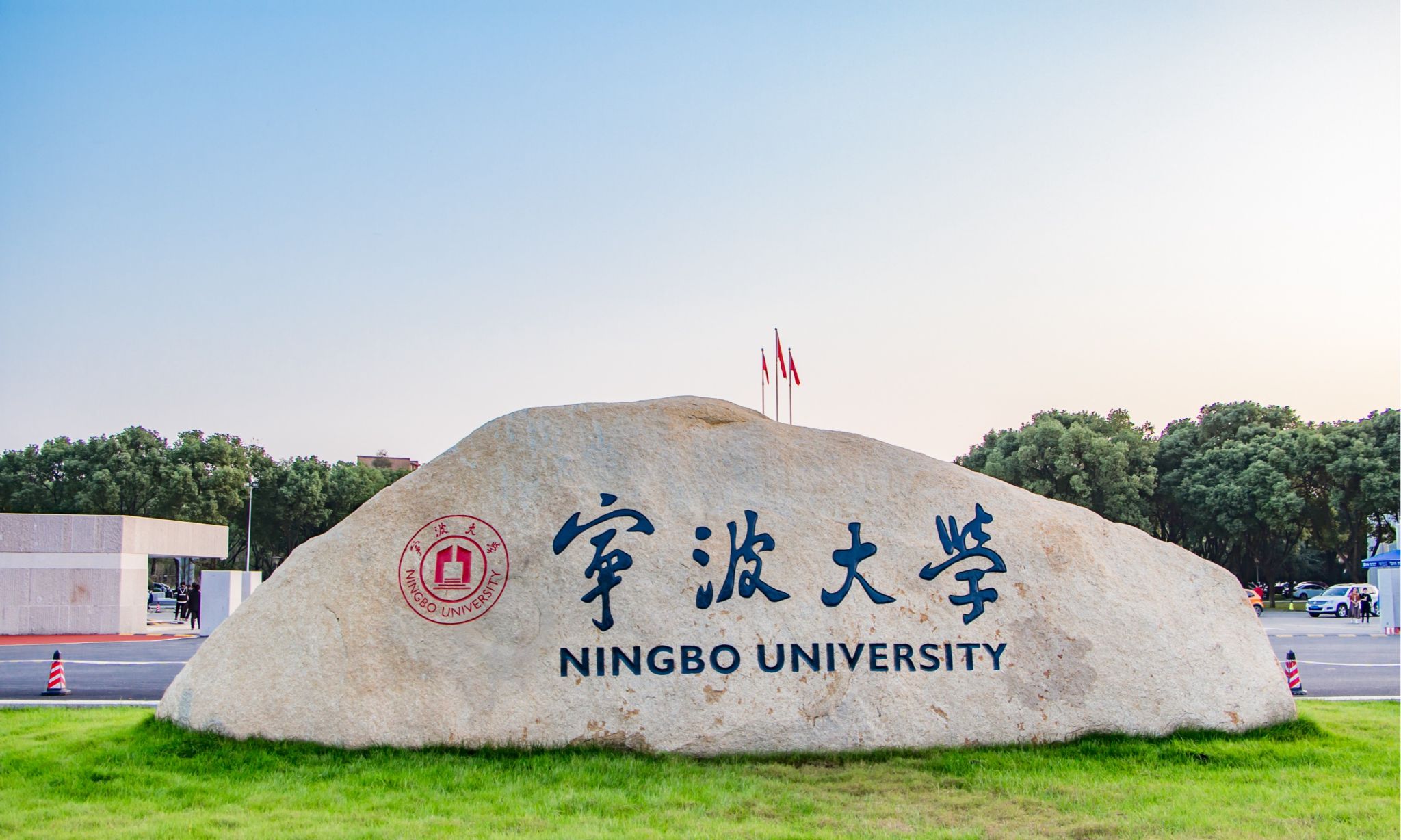
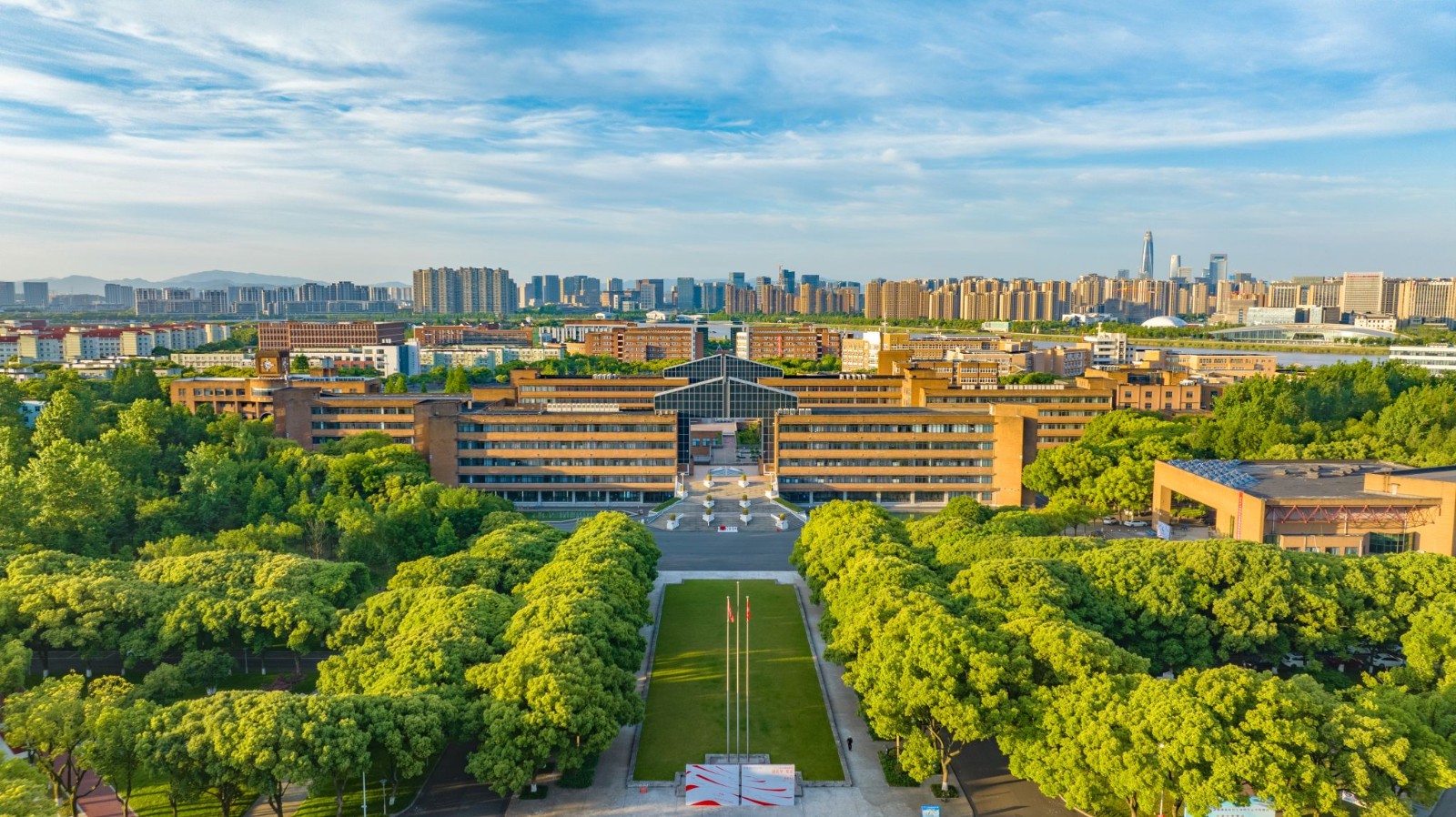
Ningbo University (NBU), also known as “Ningda” in Chinese, is located in Ningbo City, Zhejiang Province, China. It is a provincial public university jointly established by the People’s Government of Zhejiang Province and the People’s Government of Ningbo Municipality. The university is among the national “Double First-Class” initiative universities, jointly supported by the province, ministries, and municipality. It is also one of the first key universities designated for development in Zhejiang Province, a high-level university under Zhejiang’s development program, one of the first institutions selected for the “Internationalized Characteristic Universities of Zhejiang Province” initiative, and a designated base for international cultural and people-to-people exchanges in Ningbo.
Founded in 1986 with a donation from Sir Yue-Kong Pao, the university was included among China’s first batch of higher education institutions for undergraduate admissions in 1992. In 1996, the former Ningbo University, Ningbo Teachers College, and Ningbo Branch of Zhejiang Fisheries College were merged to establish the current Ningbo University. Subsequently, Ningbo Marine School under the State Oceanic Administration, Ningbo Forestry School under the Ministry of Forestry, Ningbo Normal School, and Ningbo Shao Yifu Art Preschool Teachers College were successively incorporated into the university.
As of March 2026, the university’s main campus is located in the North District of Ningbo Higher Education Park, while the Meishan Campus is located on Meishan Island in Beilun District, Ningbo, covering a total area of 3,117 mu. In addition, the Cixi Campus of Ningbo University Science and Technology College covers 796 mu. The university consists of 26 schools (faculties) and one independent college (Science and Technology College), offering 59 undergraduate programs. It has 13 first-level doctoral degree programs, 1 professional doctoral degree authorization category, 32 first-level master’s degree programs, and 31 professional master’s degree authorization categories. The university also hosts 9 postdoctoral research stations.
The university currently has 22,815 full-time undergraduate students, 12,497 master’s students, 796 doctoral students, and 1,169 international students. It has a total of 3,524 faculty and staff members, including 2,420 teaching and research personnel.